

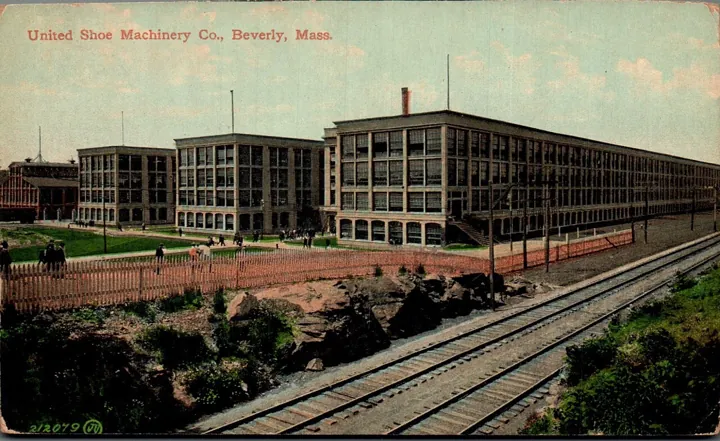
- Description
- A factory
- Source
- author not stated · original page
- Licence
- PD Public domain
 Matrix: Processing
How data is transformed and loaded: sequencing, recovery, incremental loading, checks, logging and performance.
In brief
- 8 dimensions, levels 0 to 5, 112 criteria.
- Tool: run an assessment by choosing “Processing”.
- Levels and criteria: original synthesis, references cited at the bottom of the page.
What transforms and loads the data: sequencing and scheduling, recovery after an incident, delta loading, transformation rules, checks, execution log, performance. Keeping the results belongs to the “Storage” theme, the arrival of data to the “Ingestion” theme, and shaping it for reports to the “Abstraction layer” theme.
8 dimensions, six levels (0 to 5) and 112 observable criteria. To place your product: open the assessment for this theme. The calculation rules are here.
Overview#
Each cell is the level’s signature for the dimension.
| Dimension | 0 · Handcrafted | 1 · Locally tooled | 2 · Shared | 3 · Industrialized | 4 · Integrated and governed | 5 · Autonomous |
|---|---|---|---|---|---|---|
| Orchestration and scheduling | Jobs launched by hand, in an order known to one person only. | Order written down and launches scheduled in isolation. | A single workflow, dependencies declared. | Priorities, windows and calendars under control. | Orchestration driven by events and metadata. | Adaptive orchestration. |
| Set-based writing and determinism | Transformations written row by row, with a result that may vary from one run to the next. | Transformations isolated and identified. | Sets preferred. | Preparation before the run. | Determinism exploited and verified. | Automatic measurement and safeguards. |
| Transformation rules and parameters | Rules buried in code and hard-coded values. | Rules listed. | Parameters externalized. | Parameters managed and layered. | Rules documented and tested. | Rules driven by the business. |
| Recovery and idempotence | A failure leaves data in an unknown state; recovery is manual and risky. | Failures known. | Rerun possible without duplicates. | Idempotent jobs, recovery from the failed step. | Recovery tested and periods replayable. | Automatic recovery and assisted diagnosis. |
| Incremental loading | Full reload on every run. | Reloads by period. | Change detection. | Complete incremental loading. | End-to-end incremental loading. | Continuous flow where useful. |
| Data checks within processing | No checks: the data is assumed to be correct. | Manual checks. | Systematic checks. | Declared checks and decision on anomaly. | Business consistency checks. | Adaptive checks. |
| Log, measurement and alerts | No trace of executions. | Scattered traces. | Single log. | Usable log. | Freshness published, health indicators. | Proactive detection. |
| Processing performance and resources | Duration endured: you find out a job is too long when it overruns. | Durations known. | Window met. | Parallelism and resources. | Volume growth anticipated. | Elastic resources. |
Dimensions of the global model most concerned: Data sources and flows, Data quality, Testing and fixes and Availability and performance. On how to write processing jobs, see set-based programming and the approach.
Processing design#
Orchestration and scheduling#
Who decides the order of jobs, when they start and how they depend on each other?
| Level | Signature | Criteria to meet |
|---|---|---|
| 0 · Handcrafted | Jobs launched by hand, in an order known to one person only. | Starting point: no criteria. |
| 1 · Locally tooled | Order written down and launches scheduled in isolation. |
|
| 2 · Shared | A single workflow, dependencies declared. |
|
| 3 · Industrialized | Priorities, windows and calendars under control. |
|
| 4 · Integrated and governed | Orchestration driven by events and metadata. |
|
| 5 · Autonomous | Adaptive orchestration. |
|
Data arrives at the announced time, in the right order, without anyone having to launch anything.
Set-based writing and determinism#
Are transformations written to process sets, with a result that depends only on the data?
| Level | Signature | Criteria to meet |
|---|---|---|
| 0 · Handcrafted | Transformations written row by row, with a result that may vary from one run to the next. | Starting point: no criteria. |
| 1 · Locally tooled | Transformations isolated and identified. |
|
| 2 · Shared | Sets preferred. |
|
| 3 · Industrialized | Preparation before the run. |
|
| 4 · Integrated and governed | Determinism exploited and verified. |
|
| 5 · Autonomous | Automatic measurement and safeguards. |
|
The same dataset always gives the same result, and processing time grows little with volume.
Transformation rules and parameters#
Where do business rules and parameters live, and can they be explained and changed without rewriting?
| Level | Signature | Criteria to meet |
|---|---|---|
| 0 · Handcrafted | Rules buried in code and hard-coded values. | Starting point: no criteria. |
| 1 · Locally tooled | Rules listed. |
|
| 2 · Shared | Parameters externalized. |
|
| 3 · Industrialized | Parameters managed and layered. |
|
| 4 · Integrated and governed | Rules documented and tested. |
|
| 5 · Autonomous | Rules driven by the business. |
|
A business rule can be read, discussed and changed in one single place, with a trace of who modified it.
Reliability#
Recovery and idempotence#
What happens when a job fails or is rerun?
| Level | Signature | Criteria to meet |
|---|---|---|
| 0 · Handcrafted | A failure leaves data in an unknown state; recovery is manual and risky. | Starting point: no criteria. |
| 1 · Locally tooled | Failures known. |
|
| 2 · Shared | Rerun possible without duplicates. |
|
| 3 · Industrialized | Idempotent jobs, recovery from the failed step. |
|
| 4 · Integrated and governed | Recovery tested and periods replayable. |
|
| 5 · Autonomous | Automatic recovery and assisted diagnosis. |
|
An incident costs one rerun, not a manual intervention or doubt about the state of the data.
Quality and evidence#
Data checks within processing#
Do jobs verify their inputs and outputs, and what do they do about an anomaly?
| Level | Signature | Criteria to meet |
|---|---|---|
| 0 · Handcrafted | No checks: the data is assumed to be correct. | Starting point: no criteria. |
| 1 · Locally tooled | Manual checks. |
|
| 2 · Shared | Systematic checks. |
|
| 3 · Industrialized | Declared checks and decision on anomaly. |
|
| 4 · Integrated and governed | Business consistency checks. |
|
| 5 · Autonomous | Adaptive checks. |
|
A wrong figure is stopped or flagged before publication, not discovered by a user.
Log, measurement and alerts#
Can you say what ran, for how long, with what result, and who is notified?
| Level | Signature | Criteria to meet |
|---|---|---|
| 0 · Handcrafted | No trace of executions. | Starting point: no criteria. |
| 1 · Locally tooled | Scattered traces. |
|
| 2 · Shared | Single log. |
|
| 3 · Industrialized | Usable log. |
|
| 4 · Integrated and governed | Freshness published, health indicators. |
|
| 5 · Autonomous | Proactive detection. |
|
You know before the users whether the data is up to date, and you know why when it is not.
Performance and evolution#
Incremental loading#
Do you process only what has changed, or everything every time?
| Level | Signature | Criteria to meet |
|---|---|---|
| 0 · Handcrafted | Full reload on every run. | Starting point: no criteria. |
| 1 · Locally tooled | Reloads by period. |
|
| 2 · Shared | Change detection. |
|
| 3 · Industrialized | Complete incremental loading. |
|
| 4 · Integrated and governed | End-to-end incremental loading. |
|
| 5 · Autonomous | Continuous flow where useful. |
|
Data is updated more often, with fewer resources, even as the history grows.
Processing performance and resources#
Do jobs meet their window, and can they take advantage of the available resources?
| Level | Signature | Criteria to meet |
|---|---|---|
| 0 · Handcrafted | Duration endured: you find out a job is too long when it overruns. | Starting point: no criteria. |
| 1 · Locally tooled | Durations known. |
|
| 2 · Shared | Window met. |
|
| 3 · Industrialized | Parallelism and resources. |
|
| 4 · Integrated and governed | Volume growth anticipated. |
|
| 5 · Autonomous | Elastic resources. |
|
Data is ready when users arrive, and growth in volume does not call the window into question.
The dimensions are inspired by the references cited below; the levels and the criteria are an original synthesis, not a reproduction of a framework. They are offered to be discussed and adapted, not as authority.
Sources and verification#
- Kimball Group — ETL Architecture's 34 Subsystems — four families of subsystems (extract, transform, load, manage); management covers audit, recovery, scheduling and alerts
- Apache Airflow — Best Practices — idempotent tasks (same result on every rerun), test levels for a workflow, avoiding costly code at the top level
- dbt — Add data tests to your DAG — a data test is a query that returns the failing rows; four generic tests: unique, not_null, accepted_values, relationships
- Microsoft Learn — What is the medallion lakehouse architecture? (Azure Databricks) — validation and deduplication in the validated layer, incremental reads, trade-off between cost and latency depending on ingestion frequency
- DAMA International — DAMA-DMBOK2 — the “Data Integration and Interoperability” domain; paid reference, therefore not read line by line
